Our resources and updates
Garmin Connect records everything and explains little. Here are the best Garmin Connect alternatives in 2026, and why the fix is usually to add one app rather than replace Connect entirely.
The Amazfit Helio and Garmin Cirqa are both screen-free recovery bands with no required subscription, at very different prices. Here is how they compare and how to choose.
The Garmin Cirqa is a screen-free recovery band; the Apple Watch is a full smartwatch. Here is how they compare on battery, tracking, and cost, and which one fits you.
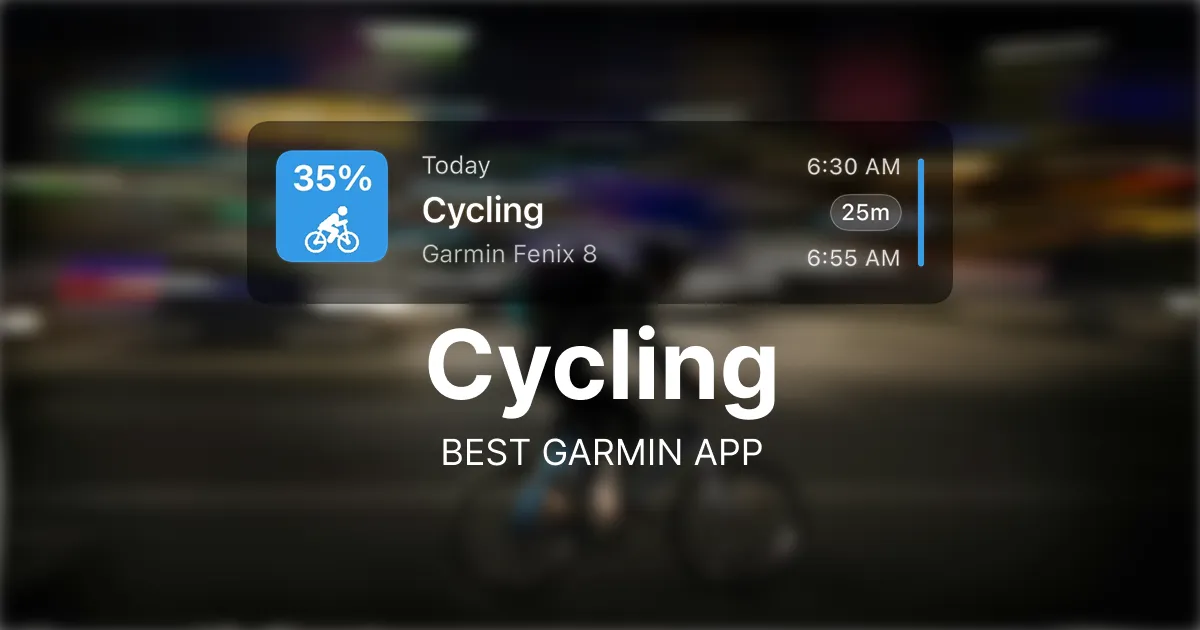
Garmin Connect records your rides and Strava shares them, but neither goes deep on power. Here are the best Garmin cycling apps in 2026 and how to choose.
Bevel is a broad health app, but it is not the only way to get more from your Garmin. Here are the best Bevel alternatives for Garmin owners, from focused training apps to structured coaching.
Bevel reads your Garmin data and adds nutrition, AI coaching, and a friendlier health read. Here is whether it is worth adding, whether Pro is worth paying for, and who should skip it.
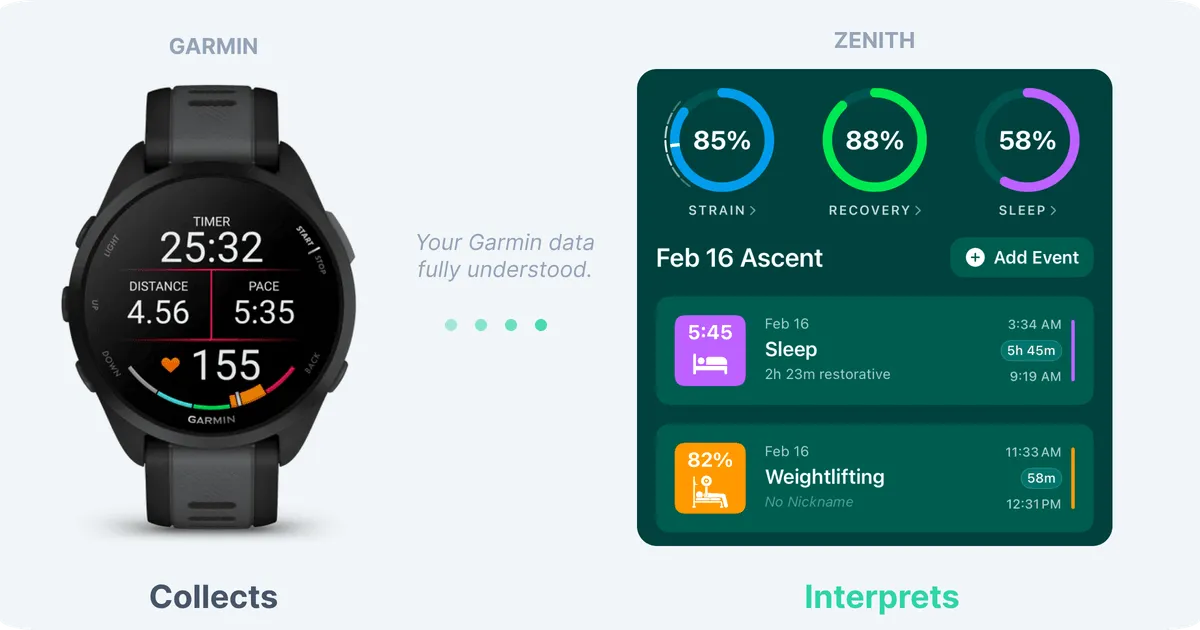
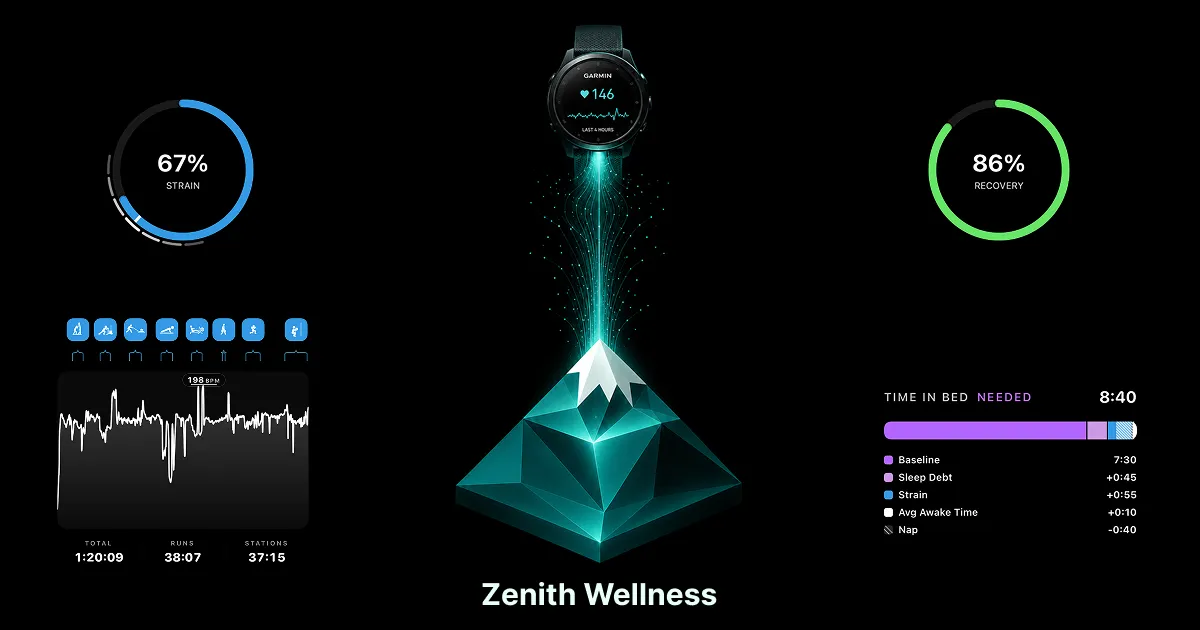
Garmin builds the best fitness ecosystem on the planet. But their software interprets your data through a cardio-only lens. Here's how Zenith turns your existing Garmin data into unified strain, recovery, and sleep insights.
Most wearables don't account for strength training in their recovery models. Zenith tracks every set, maps every muscle, and folds your lifting into the same strain and recovery system as your cardio.
An Ironman athlete's self-supported Everest marathon attempt ended in a HAPE diagnosis and a helicopter rescue. The warning signs were in her data for days. A first-person story on knowing when mental toughness turns dangerous.
An Ironman athlete's account of going from 20-minute run-walk intervals to ultramarathons and three Ironman races. A first-person story on how repeated action, not identity, builds an athlete.
A low Body Battery does not automatically mean skip your workout. Here is how to read it, when to train through it, and when to back off.
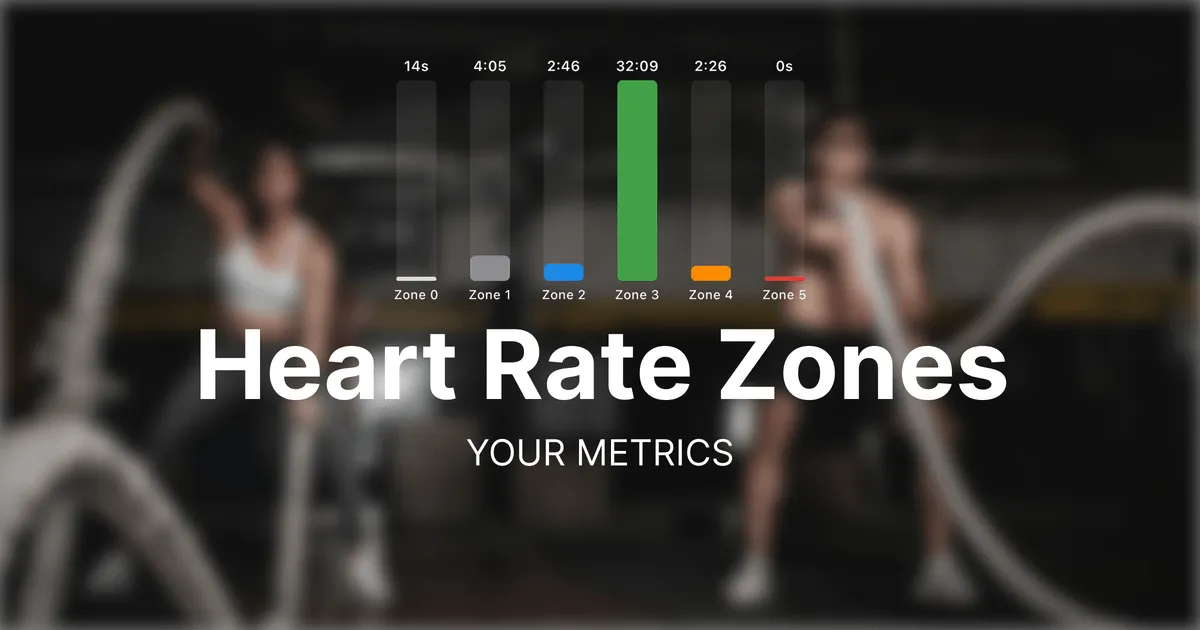
Garmin builds your heart rate zones from a max that is usually wrong for you. Here is what the zones mean, how to set them correctly, and why the method matters as much as the number.
Hevy does not sync with Garmin Connect natively. Here is why, the unofficial workaround people use, what it does and does not transfer, and the cleaner option for Garmin owners.
Sleep debt is the deficit that builds up across short nights, and it costs more than a groggy morning. Here is what it is, how to tell if you are carrying it, and how to recover.
Sleep debt is the deficit that builds up across short nights, and most wearables miss it by grading one night at a time. Here is how Zenith tracks the debt you are carrying and what it does with it.
The Garmin Cirqa does not connect to Apple Health directly, but its data can reach it through Garmin Connect. Here is what syncs, what does not, and how to set it up.
The Garmin Cirqa tracks 80-plus activities without a screen. Here is what it records, how it handles GPS, and how to turn that activity data into real training insight.
The Garmin Cirqa is a strong sleep tracker for a screen-free band. Here is what it measures overnight, how accurate wrist sleep tracking really is, and how to read it.
The Garmin Cirqa and Hume Band are both screen-free recovery trackers with no required subscription. Here is how they compare on battery, ecosystem, and depth, and how to choose.
The Garmin Cirqa and Oura both track recovery without a screen, but one is a band and one is a ring, with very different costs. Here is how to choose.
The Garmin Cirqa and Fitbit Air are both screen-free bands with no required subscription, at very different prices. Here is how they compare and how to choose.
The Garmin Cirqa and Polar Loop are both screen-free, subscription-free bands at nearly the same price. Here is how they compare on battery, ecosystem, and recovery, and how to choose.
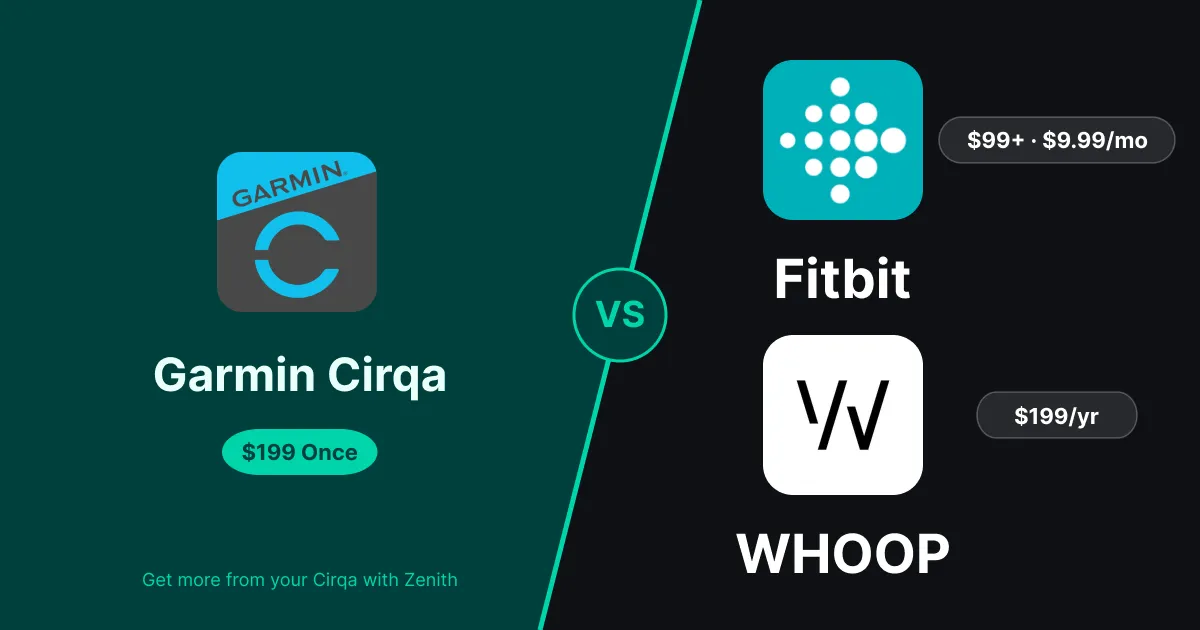
Garmin's new Cirqa is a screen-free band with no required subscription, aimed straight at WHOOP. Here is how the two compare, and how to get WHOOP-style insight from a Cirqa for free.
Strong and Hevy are great lifting logs, but they don't sync with Garmin. Here is how the popular strength apps handle Garmin, and the clear choice if you want your lifting to count.
Garmin turns your heart rate variability into a 0 to 100 stress score. Here is what it measures, where it goes quiet, and how Zenith turns it into a read you can act on.
New to Garmin and buried in numbers you do not recognize? The best first app is the one that makes the data make sense. Here are the beginner-friendly options in 2026 and where Zenith fits.
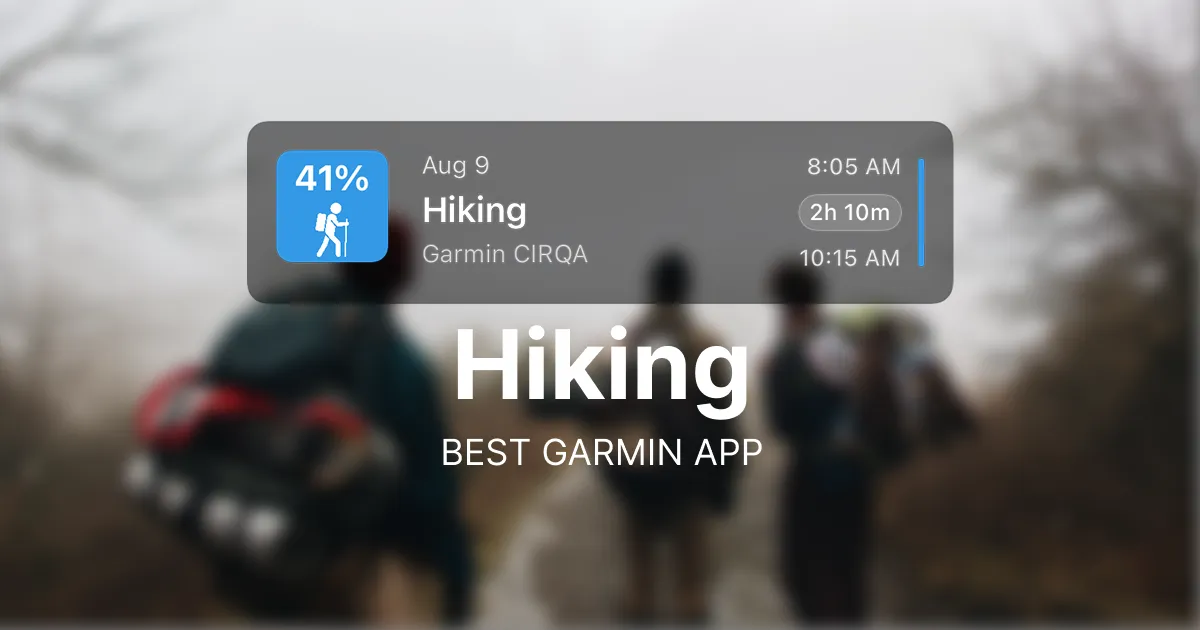
Your Garmin records the route and the effort of every hike. The best app depends on whether you want route planning, sharing, or a clear read on how much a long day cost you. Here are the options in 2026.
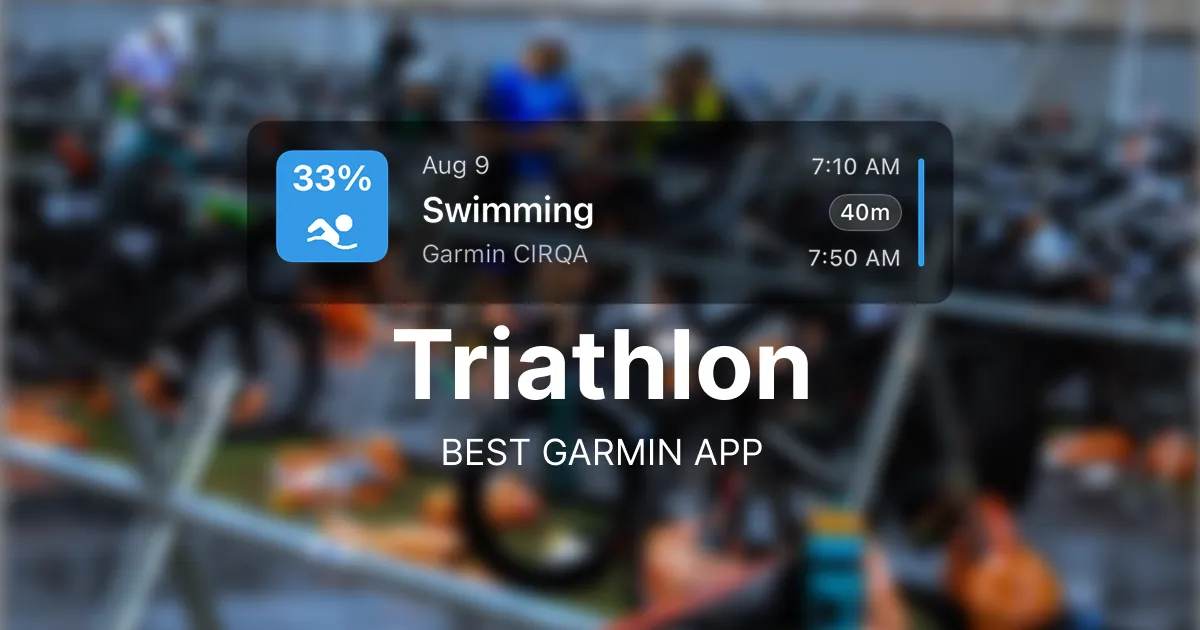
Training for three sports at once is a lot to manage. The right app depends on whether you need structured plans, analysis, or a clear read on recovery. Here are the options for Garmin triathletes in 2026.
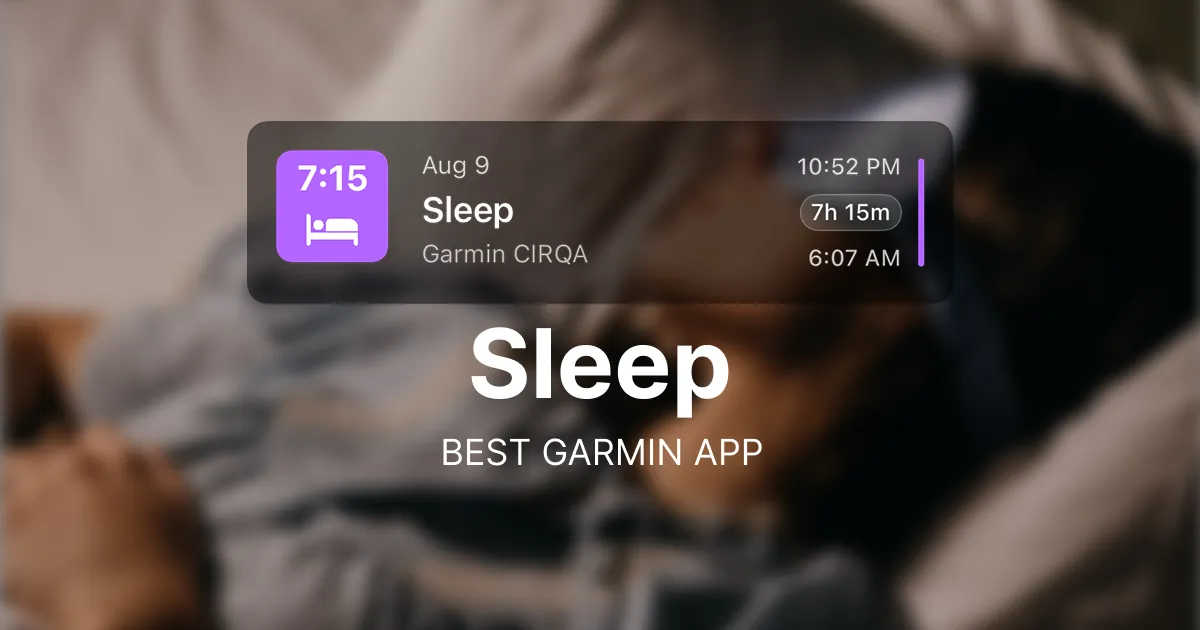
Your Garmin already tracks your sleep. The best app is the one that turns those numbers into something you can act on. Here are the options in 2026 and where Zenith fits.
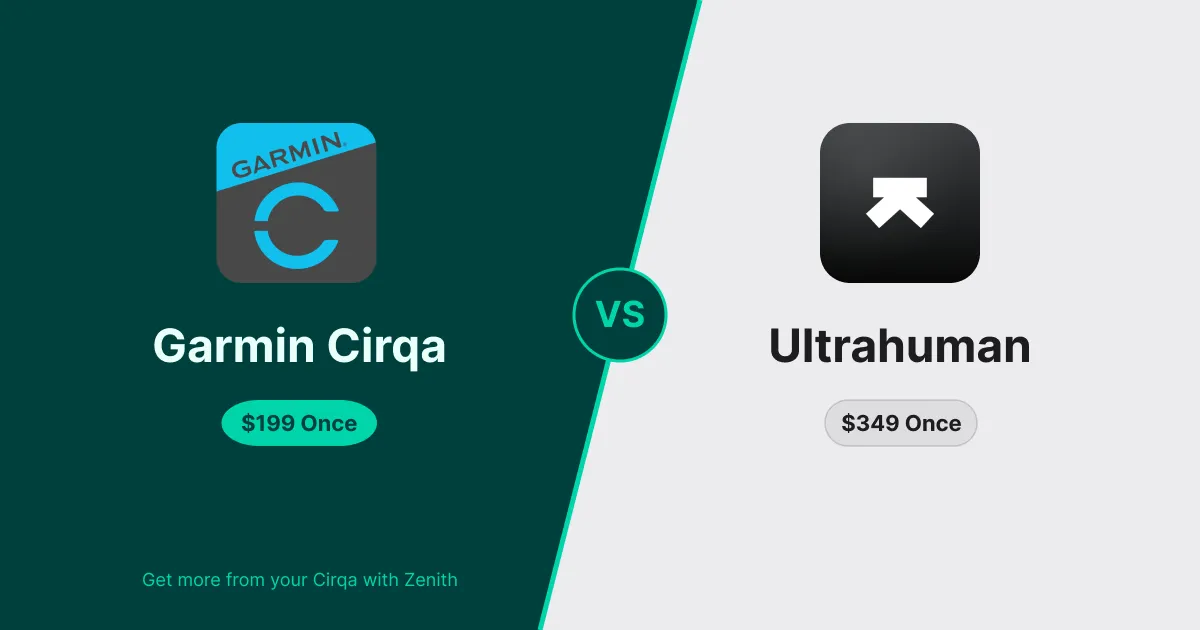
The Garmin Cirqa is a screen-free band and the Ultrahuman Ring Air is a smart ring. Both skip the required subscription. Here is how they compare on battery, tracking, and cost.
Bevel is a health app that reads the wearable you already own. WHOOP is a dedicated band with a subscription. Here is how they compare, and how to get recovery insight from your Garmin for free.
The Garmin Cirqa is subscription-free, but Garmin gates its premium insights behind Connect+ at $6.99/mo. Here is what you get, and how to get deeper insight for free.
The Garmin Cirqa is a $199 screen-free band with no subscription. Here is who it's for, why it's worth buying, and who should skip it.
Active time sounds simple until a long ride or a day on the walking pad shows barely any. Here is what Garmin counts as active, why it undercounts, and how to read the number.
Steps are the simplest metric on your watch and the easiest to miscount. Here is how Garmin counts them, why they matter beyond your workouts, and where they go wrong.
Your calorie number is really two numbers, the energy you burn just being alive and the energy you burn moving. Here is how Garmin splits them and why the total is an estimate.
Restorative sleep is the REM and deep sleep that rebuilds you. Here is what each stage does, how Garmin estimates them, and why eight hours isn't always eight good hours.
Fitness age turns your cardio fitness into a single relatable number. Here is what drives it, why it moves with your VO2 max, and what it can and can't tell you.
VO2 max is the standard benchmark for aerobic fitness, but the number on your Garmin is an estimate with quirks. Here is what it means and why it sometimes moves the wrong way.
Respiratory rate is the quiet vital sign most people ignore, and often the first to change when something is off. Here is what your overnight breathing rate is telling you.
Resting heart rate is one of the simplest windows into your cardiovascular fitness. Here is what it measures, why your watch reads lower than the doctor, and what the number is really telling you.
HRV is one of the best signals of how recovered you are, but the number only makes sense once you know what it measures and why it swings. Here is the plain version.
Bevel reads your Garmin data and adds nutrition, AI coaching, and deeper health tracking. Here is how it compares to Garmin Connect, whether it's worth adding, and where Zenith fits.
Three screen-free bands, three price models. Here is how the Fitbit Air, WHOOP, and Garmin Cirqa compare, and which one fits how you train.
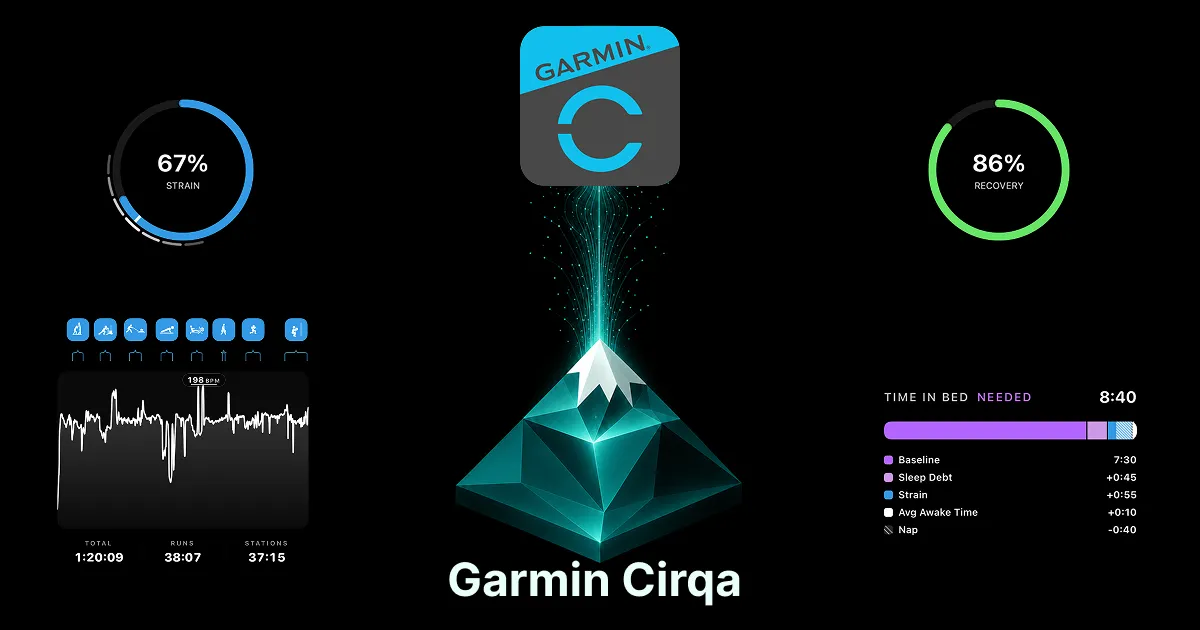
The Garmin Cirqa records a lot for a screen-free band. Here is how to turn its recovery, sleep, and readiness data into insight you can act on.
The Garmin Cirqa gives you WHOOP-style recovery with no subscription. Here is who should switch, who should stay, and how to keep the insight you would miss.
Garmin records everything and leaves you to make sense of it. Pointing an AI at that data does not fix it, because AI cannot see your life. Here is a clearer way to read your Garmin trends.
Garmin's Recovery Time Advisor says 48 hours, but you feel fine. Here is whether to train through it, how to speed it up, and how much to trust the number.
Garmin Connect logs your sets, and recovery wearables treat lifting as generic cardio. Here are the best apps for strength training on a Garmin in 2026, and where each one fits.
Bevel is a broad, free all-in-one health app. Zenith focuses on understanding your Garmin training data, with deeper trend charts and cycling power analysis. Here's how to choose between them.
If you already own a Garmin, you don't need to buy a WHOOP strap or Oura ring to get recovery and strain. Here is the best free alternative and how it compares.
Garmin Connect records your runs and Strava shares them, but neither ties your pace, heart rate, and VO2 max into how you are actually training. Here are the best running apps for Garmin owners in 2026.
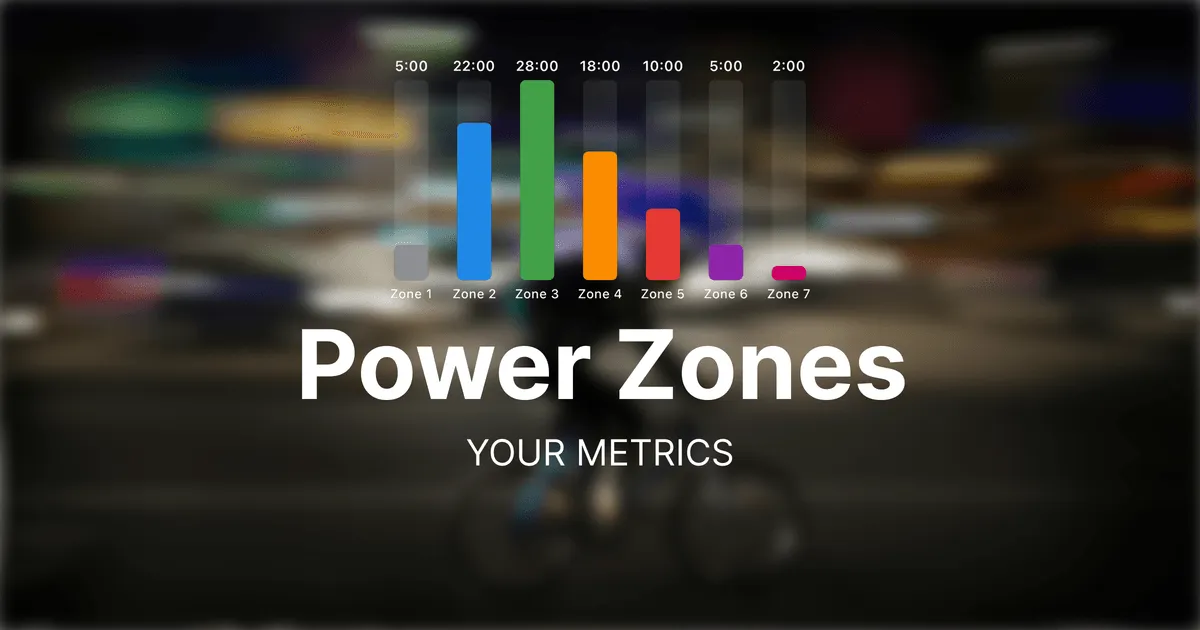
Cycling power zones are seven bands based on your FTP. Here are all seven zones with their FTP ranges, what each one trains, and how to structure your riding around them.
Garmin gives you Body Battery and Training Readiness, but not one recovery score with the reasons behind it. Here are the best recovery apps for Garmin owners in 2026 and how to choose.
If you own a Garmin and want more than the raw numbers, the right app depends on your goal. Here are the main options in 2026, from WHOOP and Oura to Strava and Bevel, and where Zenith fits.
WHOOP pioneered strain and recovery tracking, but it requires a paid membership and a proprietary strap that lacks GPS. Zenith delivers the same insights for free, using the Garmin you already own.
Oura is the gold standard for sleep and readiness, but it has no training strain score and can't see how you lift. Here's how Zenith adds the training side, free, on the Garmin you already own.
Apple Watch tracks your health and closes your rings. But even on watchOS 26 it still can't give you a true recovery score, physiological strain, or detailed strength analytics. Here's where the Garmin + Zenith stack pulls ahead.
Strava is the best social platform for endurance athletes. It works as a training log, with nothing for HRV recovery, sleep, or real strength tracking. Here's why you might use both.
VO2 max is one of the strongest predictors of long-term health and endurance performance. Here's what actually moves it, from polarized base to weekly hard sessions to the recovery that locks in adaptation.
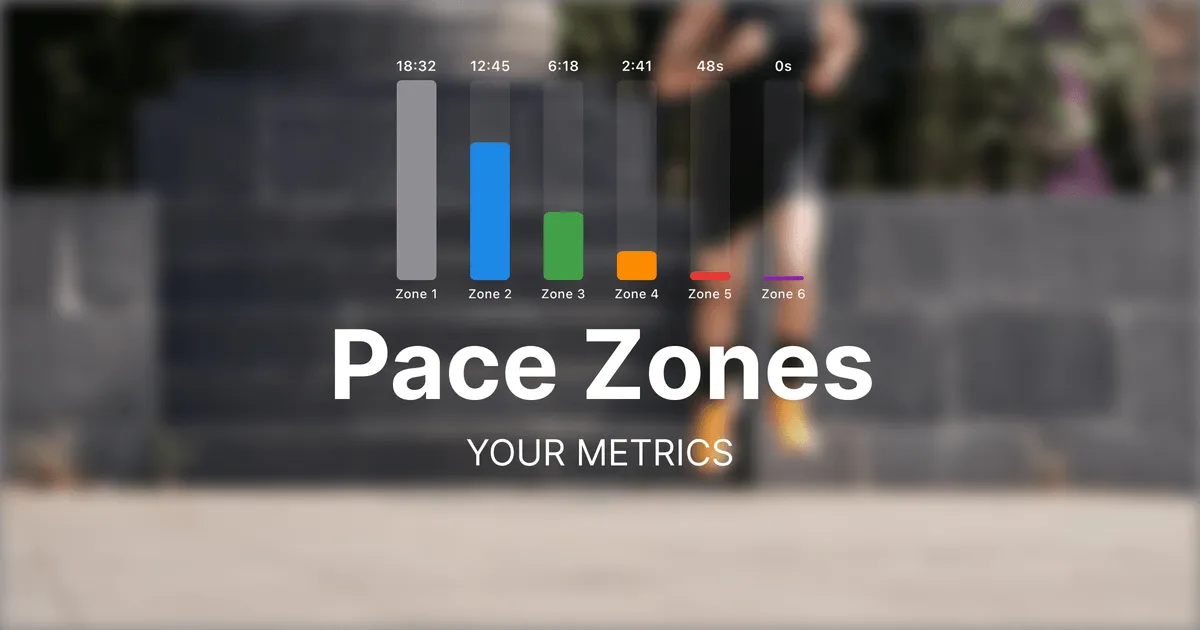
Zenith builds your pace zones from a single personal record using the Cameron method. Here's how it works, what each zone trains, and how to use them.
Zenith uses six heart rate zones built on your personal heart rate reserve. Here's how they're calculated, what each zone does, and how to use them to hit your strain target.
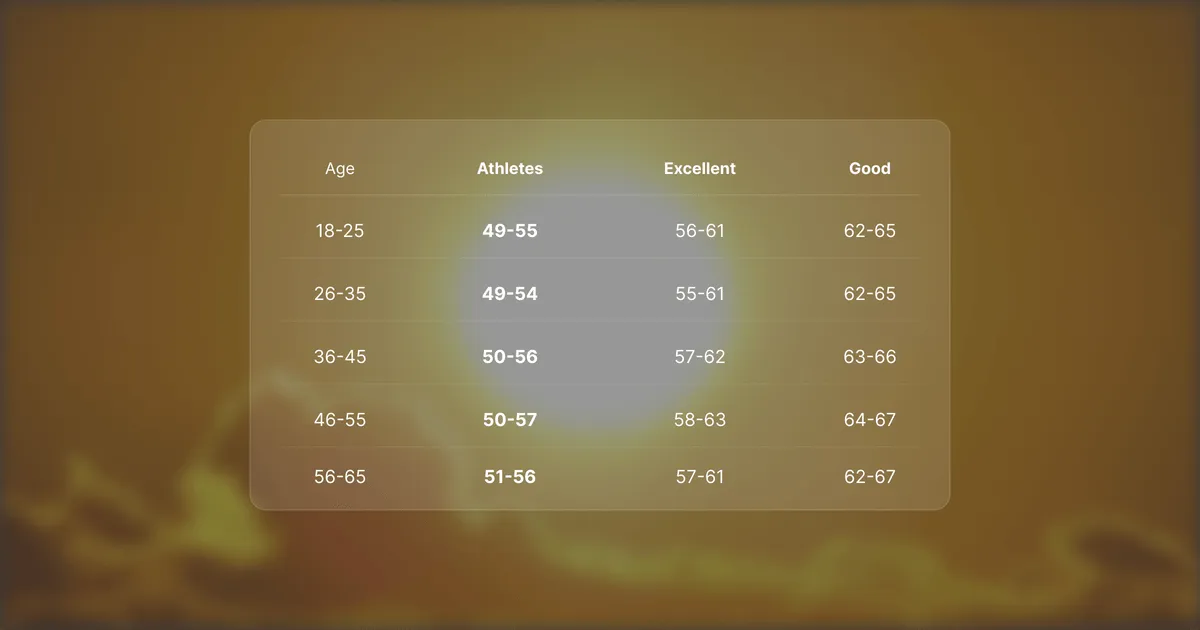
The clinical "normal" range is 60-100 bpm. That's not very useful. Here's where you actually stand based on population data from 730,000+ people.
Your resting heart rate is one of the simplest markers of cardiovascular fitness. Here's what actually moves it, from training habits to what you do in the hours before bed.
HRV is one of the best markers of recovery and autonomic health. Here's what actually moves it, from training to sleep to what you do in the hours before bed.
Sleep is more than hours in bed. Here's how Zenith calculates what you actually need, tracks what you got, and shows you the debt you're carrying.
Recovery is a single score that tells you how ready your body is to train. Here's what goes into it and why it sometimes disagrees with how you feel.
Strain is the single number that tells you how hard your day was. Here's how Zenith calculates it from your heart rate, your lifting, and everything in between.
No articles in this category yet.
 Zenith Wellness